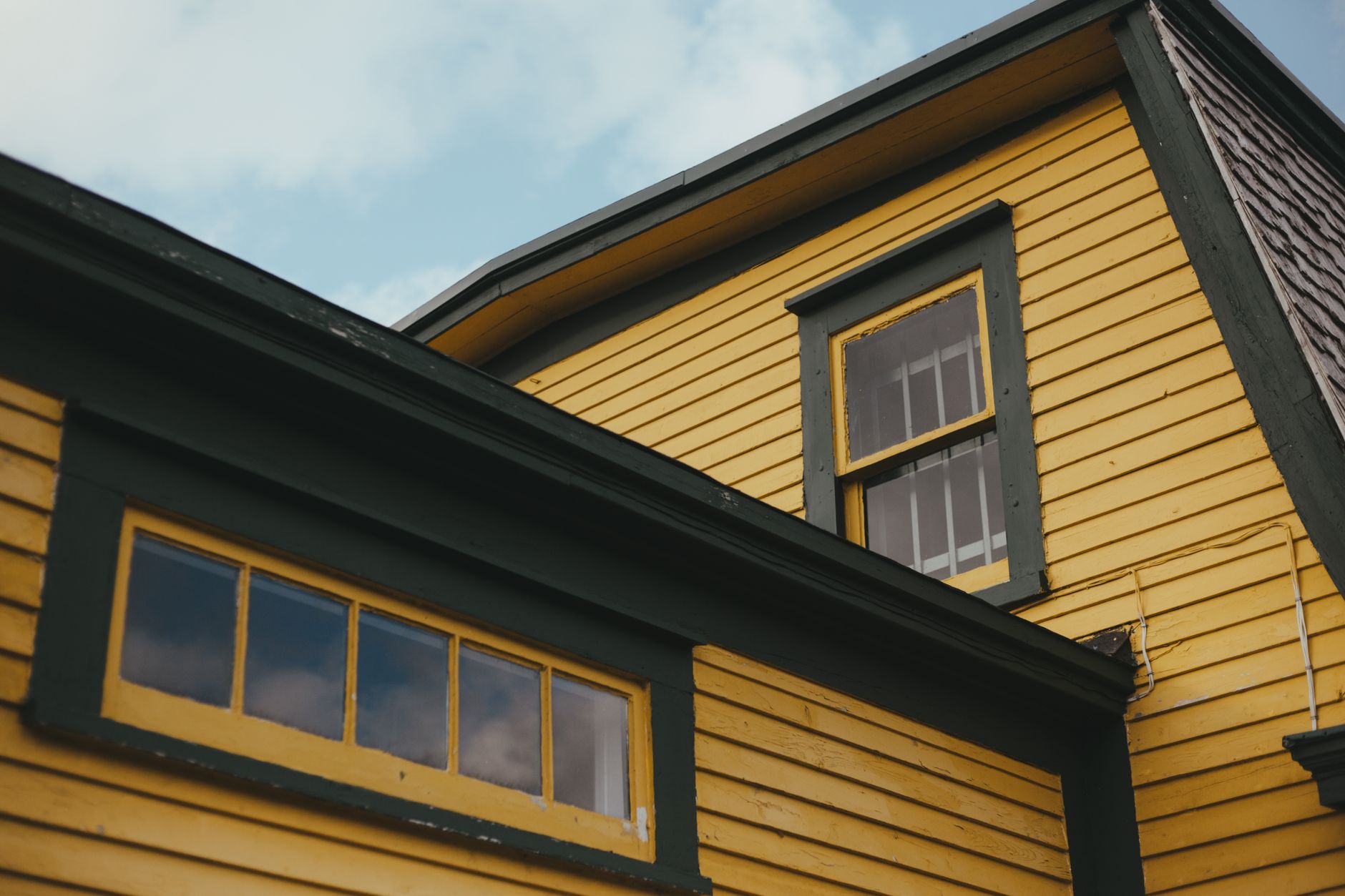
Introduction to Roofing Windows and Siding
What Are Roofing Windows?
Roofing windows, often called skylights or roof windows, are specially designed windows installed on the slope of a roof. Unlike traditional vertical windows, they bring natural light directly into attic spaces, lofts, or rooms beneath the roofline. These windows not only brighten interiors but also provide ventilation and a unique connection to the outdoors.
Types and Materials of Siding
Siding is the protective material attached to the exterior of a home’s walls. It serves both aesthetic and functional purposes by shielding the structure from weather while enhancing curb appeal. Common siding materials include vinyl, fiber cement, wood, metal, and engineered composites. Each material offers distinct benefits, such as durability, maintenance level, and visual style.
Why These Elements Matter for Your Home
Roofing windows and siding are critical components that contribute significantly to a home’s comfort, energy efficiency, and value. Together, they influence indoor lighting, airflow, insulation, and exterior aesthetics. Upgrading or installing quality roofing windows and siding can transform living spaces and protect your investment for years to come.
Enhancing Natural Light and Ventilation
Benefits of Roofing Windows for Daylight
One of the most immediate advantages of roofing windows is the influx of natural light. Unlike side windows, roof windows capture sunlight throughout the day, even when the sun is high in the sky. This creates brighter interiors, reduces the need for artificial lighting, and can improve mood and productivity. Well-placed roof windows bring daylight into spaces that otherwise remain dim, such as attics and upper floors.
Improving Airflow with Proper Window Placement
Beyond lighting, roofing windows offer excellent ventilation opportunities. When opened, they allow hot air to escape upwards and fresh air to enter, promoting natural air circulation. This ventilation is especially valuable during warmer months, reducing indoor humidity and cooling costs. Strategically positioning roofing windows can optimize airflow patterns and enhance overall indoor air quality.
Impact on Indoor Comfort
By combining natural light and ventilation, roofing windows contribute to a more comfortable living environment. They help regulate temperature, reduce stuffiness, and create a sense of openness. These improvements can make rooms feel larger and more inviting while supporting healthier indoor conditions.
Energy Efficiency and Weather Protection
How Quality Siding Insulates Your Home
Modern siding materials do more than just protect against rain and wind; many offer excellent insulating properties. Fiber cement, insulated vinyl, and engineered wood siding can significantly reduce heat transfer, helping to keep indoor temperatures stable year-round. This insulation minimizes the workload on heating and cooling systems, leading to lower energy consumption.
Roofing Windows and Thermal Performance
Advancements in roofing window technology have improved their ability to retain heat during winter and block excessive solar gain in summer. Features such as double or triple glazing, low-emissivity coatings, and insulated frames ensure that these windows maintain energy efficiency without sacrificing daylight or ventilation. Proper installation and sealing are key to optimizing their thermal performance.
Reducing Energy Bills through Upgrades
Upgrading both siding and roofing windows can lead to noticeable savings on energy bills. By improving insulation and natural climate control, homeowners reduce reliance on electric lighting, heating, and air conditioning. Over time, these savings can offset the initial investment, making roofing windows and siding cost-effective improvements.
Aesthetic Appeal and Curbside Impact
Choosing Siding Styles That Complement Your Home
Siding comes in a variety of styles, colors, and textures that can dramatically enhance your home’s visual appeal. Whether you prefer the classic look of wood clapboard, the modern sleekness of metal panels, or the low-maintenance convenience of vinyl, selecting the right siding style helps define your home’s character. Coordinating siding with architectural features and landscaping ensures a cohesive and attractive exterior.