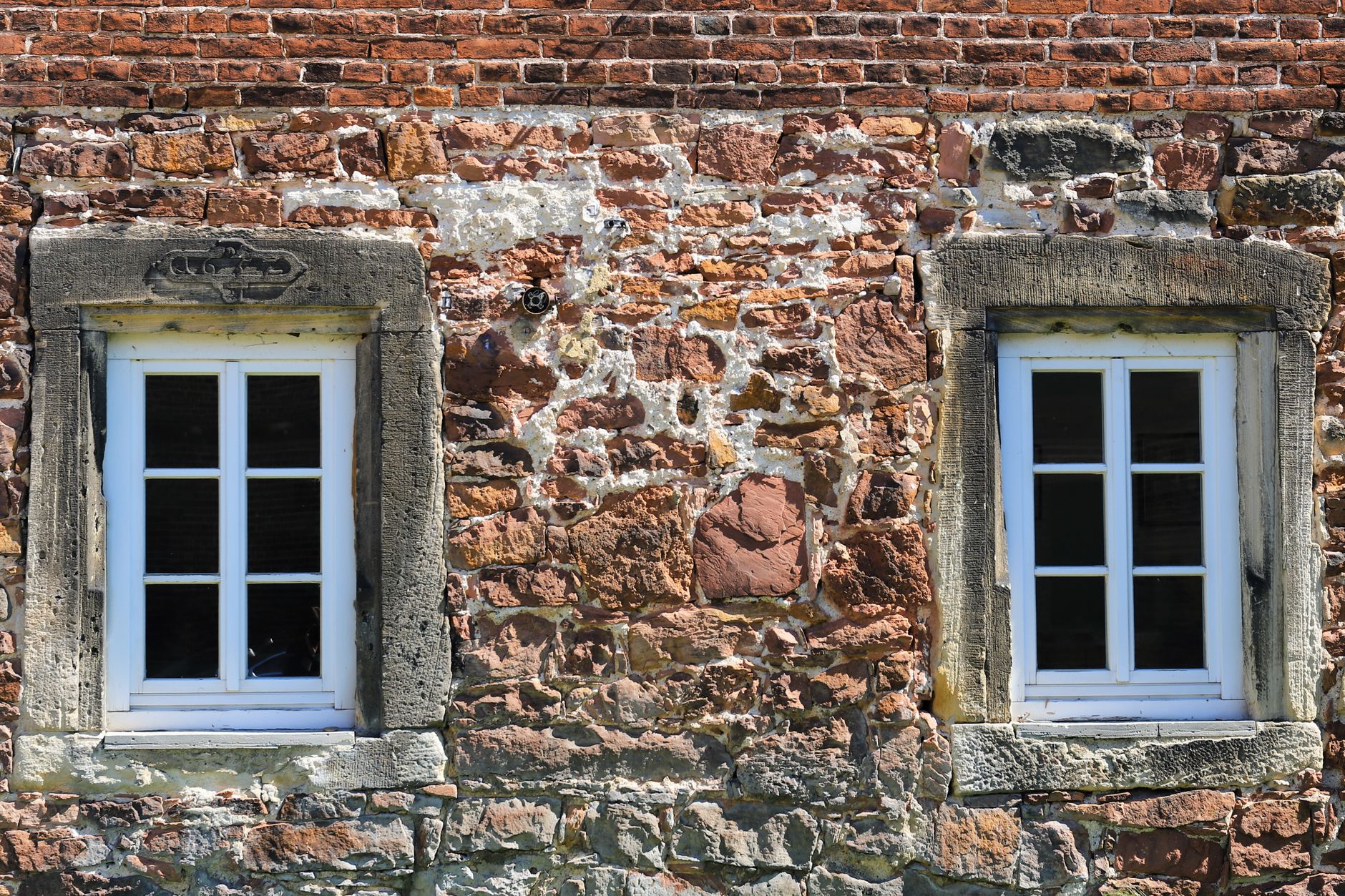
Introduction to Brick and Stone House Exteriors
Why Choose Brick and Stone for Your Home Exterior?
When it comes to crafting an exterior that stands the test of time, brick and stone are among the most reliable and attractive materials available. Their durability, resistance to weather, and classic aesthetic make them a preferred choice for homeowners aiming to enhance curb appeal without sacrificing longevity. These materials not only boost the visual interest of a home but also increase property value and offer excellent protection against the elements.
The Timeless Appeal of Natural Materials
Natural materials like brick and stone carry a unique charm that synthetic alternatives often struggle to replicate. Their textures, colors, and patterns create a sense of warmth and solidity. Over decades, these exteriors age gracefully, developing a patina that adds character rather than diminishing appeal. This timeless quality ensures that homes with brick and stone exteriors never feel outdated, making them an enduring investment in style.
Design Principles for Combining Brick and Stone
Balancing Colors and Textures
Successfully merging brick and stone on a home's exterior requires careful consideration of color harmony and texture contrast. Brick often offers warm reds, browns, and tans, while stone can range widely from soft grays to earthy hues. Selecting complementary shades ensures the materials enhance each other rather than clash. Texture plays a crucial role as well—pairing smooth bricks with rough-cut stone can create dynamic visual interest, but the scale and finish should feel intentional and balanced.
Choosing the Right Patterns and Layouts
The layout of brick and stone can dramatically influence the overall aesthetic. Common approaches include using stone as a foundation or lower wall accent with brick above, or alternating sections of each material to define architectural features. Patterns such as herringbone or basketweave in brickwork add subtle sophistication, while irregular or stacked stone can bring organic appeal. The key is to maintain a cohesive flow that complements the home’s architectural style without overwhelming it.
Enhancing Curb Appeal with Architectural Details
Incorporating Accents and Moldings
Accents like window sills, lintels, and door surrounds crafted from stone or brick can elevate the overall design by adding depth and dimension. Moldings and trim in contrasting or matching materials highlight the craftsmanship and architectural lines, creating a polished, finished look. Thoughtful inclusion of these details draws the eye and reinforces the timeless quality of the brick and stone exterior.
Using Lighting to Highlight Materials
Exterior lighting is a powerful tool for showcasing the texture and color variations inherent in brick and stone. Strategically placed uplights or wall sconces can cast shadows that emphasize the natural relief and patterns of the materials, enriching the home’s nighttime curb appeal. Lighting also adds safety and welcoming ambiance, making the house feel inviting while underscoring its architectural features.
Practical Considerations for Installation and Materials
Selecting Quality Materials for Durability
Not all bricks and stones are created equal. Quality materials with proper density, porosity, and weather resistance ensure your exterior will withstand harsh conditions for decades. For example, kiln-fired bricks with uniform size and color provide consistent installation results, while natural stones like limestone, granite, or sandstone offer varying degrees of durability and maintenance needs. Choosing the right type based on climate and home style is essential for longevity.
Hiring Professionals vs. DIY
While some homeowners may consider tackling brick or stone installation themselves, these projects often demand specialized skills, equipment, and knowledge to ensure structural integrity and aesthetic success. Professional masons bring expertise in mortar mixing, laying techniques, and finishing that reduce the risk of costly mistakes. For the best outcome, especially when combining materials or working on complex designs, hiring experienced contractors is highly recommended.