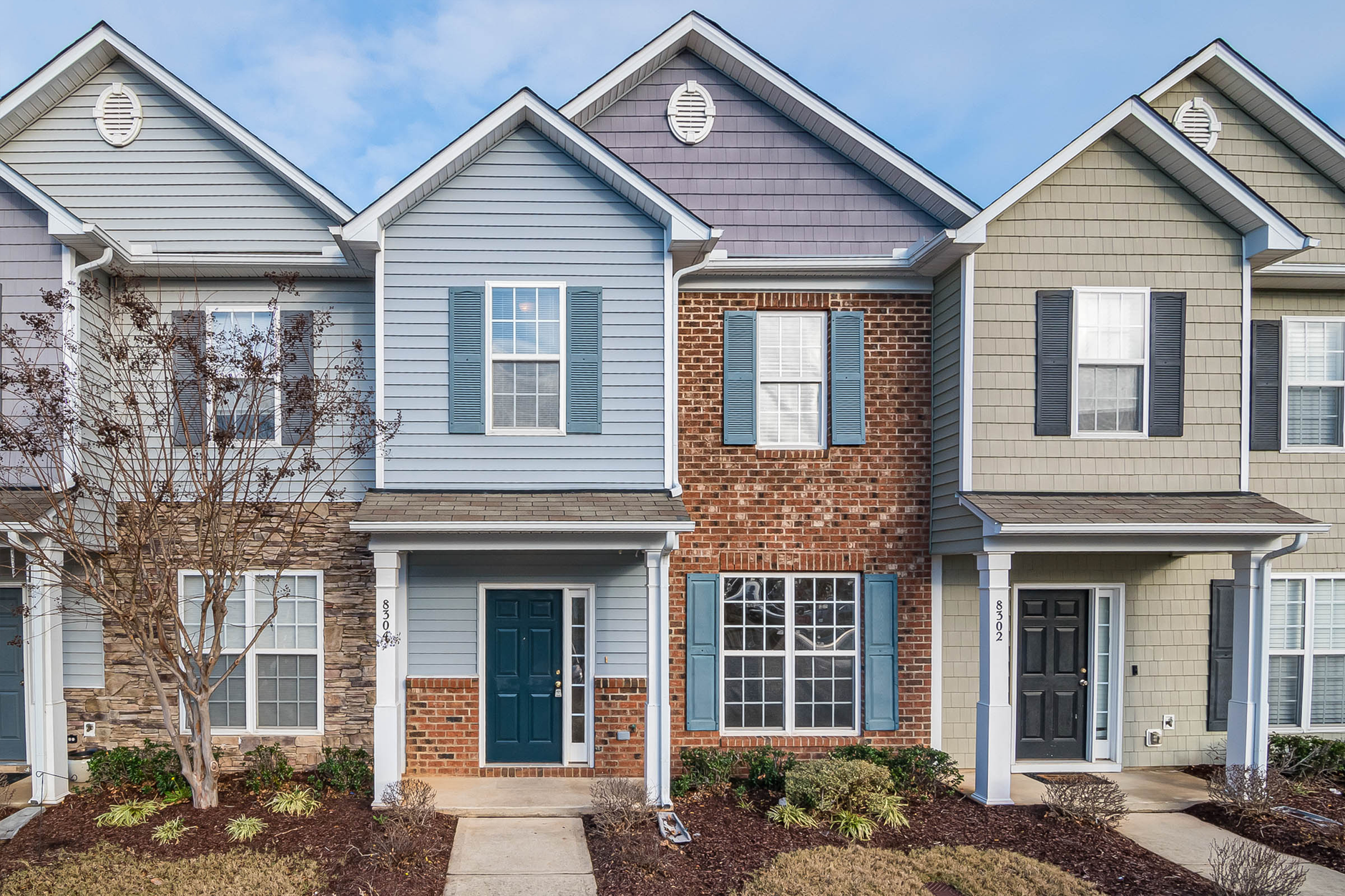
Understanding Affordable Siding
What Defines 'Affordable' in Siding
When it comes to siding, “affordable” doesn’t simply mean the lowest upfront price. It encompasses a balance between initial cost, durability, maintenance expenses, and overall value. Affordable siding should fit within your budget while providing lasting protection and an attractive appearance. The key is to avoid cheap materials that deteriorate quickly, leading to costly repairs or early replacement.
Balancing Cost, Quality, and Longevity
Choosing siding involves weighing multiple factors. High-quality siding materials might have a higher upfront cost but can save money over time due to their durability and low maintenance needs. Conversely, very inexpensive options might require frequent upkeep or replacement. The goal is to find siding that offers reliable performance and a pleasing look without breaking the bank.
Top Affordable Siding Materials That Last
Vinyl Siding: Benefits and Considerations
Vinyl siding is a popular choice for budget-conscious homeowners. It is lightweight, easy to install, and available in a wide array of colors and textures. Vinyl resists moisture and pests, and modern manufacturing techniques have significantly improved its durability. However, it can crack in extreme cold and may fade over time if exposed to intense sunlight.
Fiber Cement: Durable and Stylish
Fiber cement siding combines cement, sand, and cellulose fibers to create a robust material that mimics the look of wood or stucco. It is fire-resistant, impervious to termites, and less prone to warping or rotting. While fiber cement has a higher upfront cost than vinyl, its longevity and low maintenance make it an excellent affordable choice in the long run.
Engineered Wood: A Cost-Effective Alternative
Engineered wood siding offers the warmth and natural beauty of wood but at a fraction of the price. It is made from wood fibers and resins, designed to resist moisture better than traditional wood. This siding option can be painted or stained to suit your style preferences, though it requires occasional maintenance to prevent damage from weather and pests.
Metal Siding Options for Longevity
Metal siding, such as aluminum or steel, is gaining attention for its durability and low maintenance. It withstands harsh weather, resists rot and insect damage, and can last decades with proper care. While the initial cost might be higher than vinyl, metal siding’s longevity and energy efficiency can justify the investment over time.
How to Maintain Affordable Siding for Longevity
Routine Cleaning Tips
Regular cleaning is essential to keep siding looking fresh and functioning well. Most siding materials benefit from an annual wash with a mild detergent and water to remove dirt, mildew, and stains. Using a soft brush or cloth prevents damage, while pressure washing can be effective if done cautiously.
Inspecting and Repairing Damage Early
Frequent inspections help catch small issues before they escalate. Look for cracks, loose panels, or discoloration, and address repairs promptly. Timely patching or replacement of damaged sections extends the siding’s lifespan and preserves your home’s appearance.
Protecting Against Weather and Pests
Applying protective coatings or sealants can enhance siding resilience against moisture and UV rays. Additionally, maintaining proper landscaping—such as trimming plants away from walls—reduces risks of pest infestations and moisture buildup that can degrade siding material.
Styling Your Home with Budget-Friendly Siding Choices
Choosing Colors and Textures That Complement Your Home
Affordable siding doesn’t mean sacrificing style. Color selection plays a crucial role in curb appeal, so consider hues that harmonize with your roof, trim, and surroundings. Textured finishes, such as wood grain or stucco effects, add depth and character without a steep price tag.
Mixing Materials for Visual Interest
Combining different siding types or accents—like pairing vinyl with stone veneer or fiber cement panels with metal trims—can create a custom look while managing costs. Strategic use of contrasting materials highlights architectural features and breaks up large surfaces for a more dynamic façade.