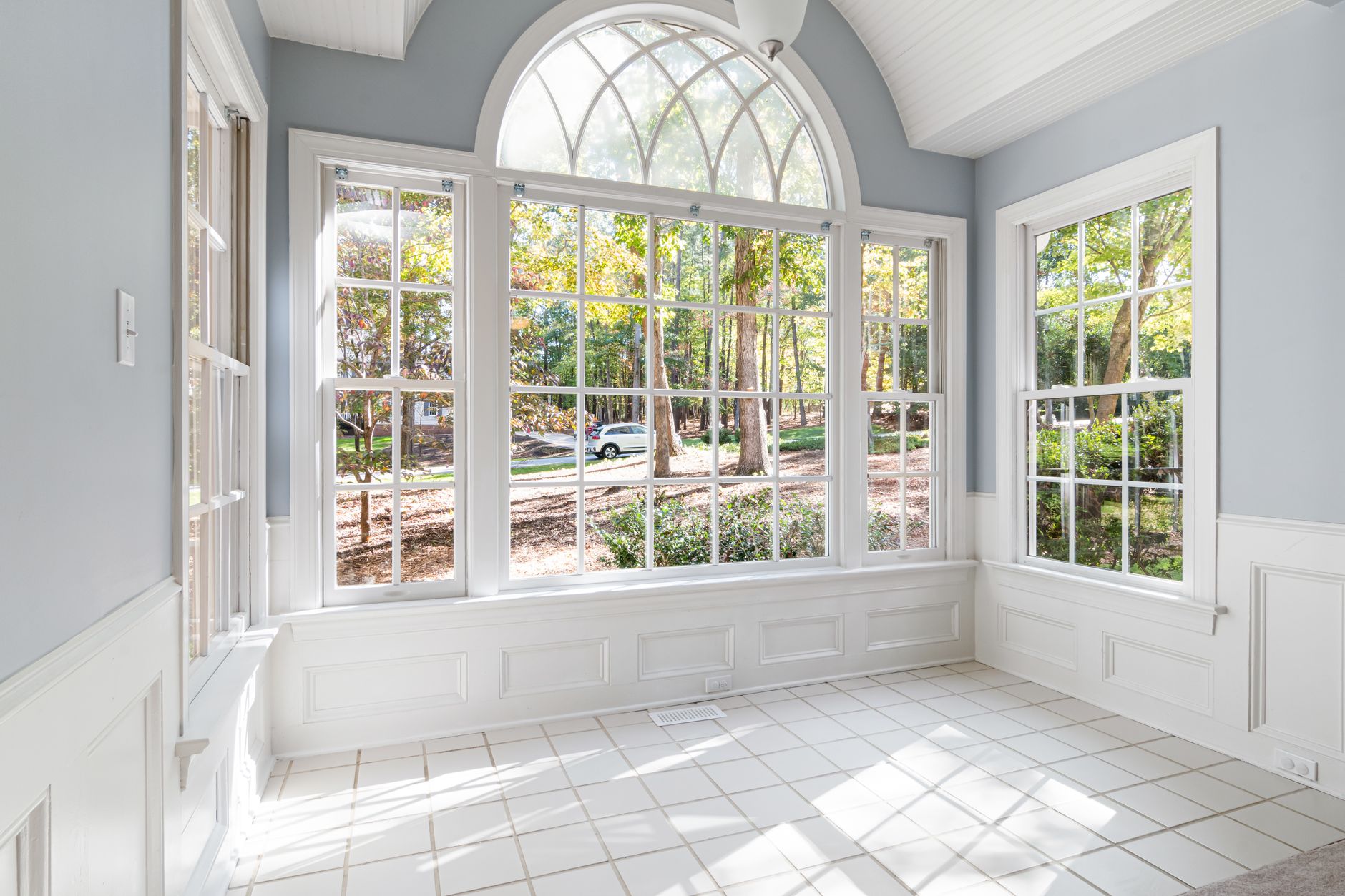
Introduction to Sunroom Siding
Adding a sunroom to your home creates a bright, inviting space that blends indoor comfort with outdoor beauty. However, selecting the right siding for your sunroom is crucial for ensuring it remains attractive, durable, and functional throughout the seasons. The siding you choose not only enhances the aesthetic appeal but also protects the structure from weather damage and impacts energy efficiency.
Why Choosing the Right Siding Matters
The siding on a sunroom acts as a shield against rain, wind, and sun exposure, which are often more intense in these semi-outdoor spaces. Because sunrooms typically feature ample glass, the siding must complement these elements while providing robust protection. The right siding material can prevent moisture problems, reduce maintenance needs, and help your sunroom blend seamlessly with the rest of your home.
Key Factors to Consider for Sunroom Siding
When selecting siding, consider climate, durability, maintenance requirements, cost, and how well the material insulates. Sunrooms are exposed to unique environmental stresses, so siding that withstands temperature fluctuations and UV rays is essential. Additionally, think about the visual style you want to achieve—whether modern, rustic, or classic—to ensure your sunroom siding enhances your overall home design.
Vinyl Siding: Affordable and Low Maintenance
Benefits of Vinyl for Sunrooms
Vinyl siding remains one of the most popular choices for sunrooms due to its affordability and ease of care. It is resistant to moisture, insect damage, and fading, making it a smart option for homeowners seeking a practical yet visually appealing solution. Vinyl siding comes in a wide range of colors and textures, allowing customization without the need for frequent repainting.
Installation Tips and Longevity
Proper installation is key to maximizing the lifespan of vinyl siding. Ensure that panels are securely fastened and that seams are sealed to prevent water infiltration. Vinyl siding can last between 20 to 40 years when installed correctly and maintained by periodic cleaning to remove dirt and debris. Its lightweight nature also means installation is generally quicker and less labor-intensive than other materials.
Fiber Cement Siding: Durable and Weather-Resistant
Strengths of Fiber Cement
Fiber cement siding combines cement with cellulose fibers, creating a robust material that resists rot, fire, and insect damage. It performs exceptionally well in harsh weather conditions, including heavy rain, snow, and high winds. Its dense composition also provides enhanced sound insulation, making it a preferred choice for sunrooms in busy or noisy environments.
Maintenance and Cost Considerations
While fiber cement siding generally demands less maintenance than wood, it may require repainting every 10 to 15 years to maintain its appearance. The upfront cost is higher than vinyl, but its longevity—up to 50 years—can make it a cost-effective investment in the long run. Installation is more labor-intensive and may require professional expertise due to the material’s weight and cutting requirements.
Wood Siding: Classic Appeal with Natural Beauty
Choosing the Right Wood Type
Wood siding offers timeless charm and warmth, with natural grain patterns that enhance any sunroom design. Popular choices include cedar, redwood, and pine, each with unique characteristics and durability levels. Cedar and redwood are naturally resistant to decay and insects, making them excellent for exterior applications, while pine is more affordable but requires more treatment.