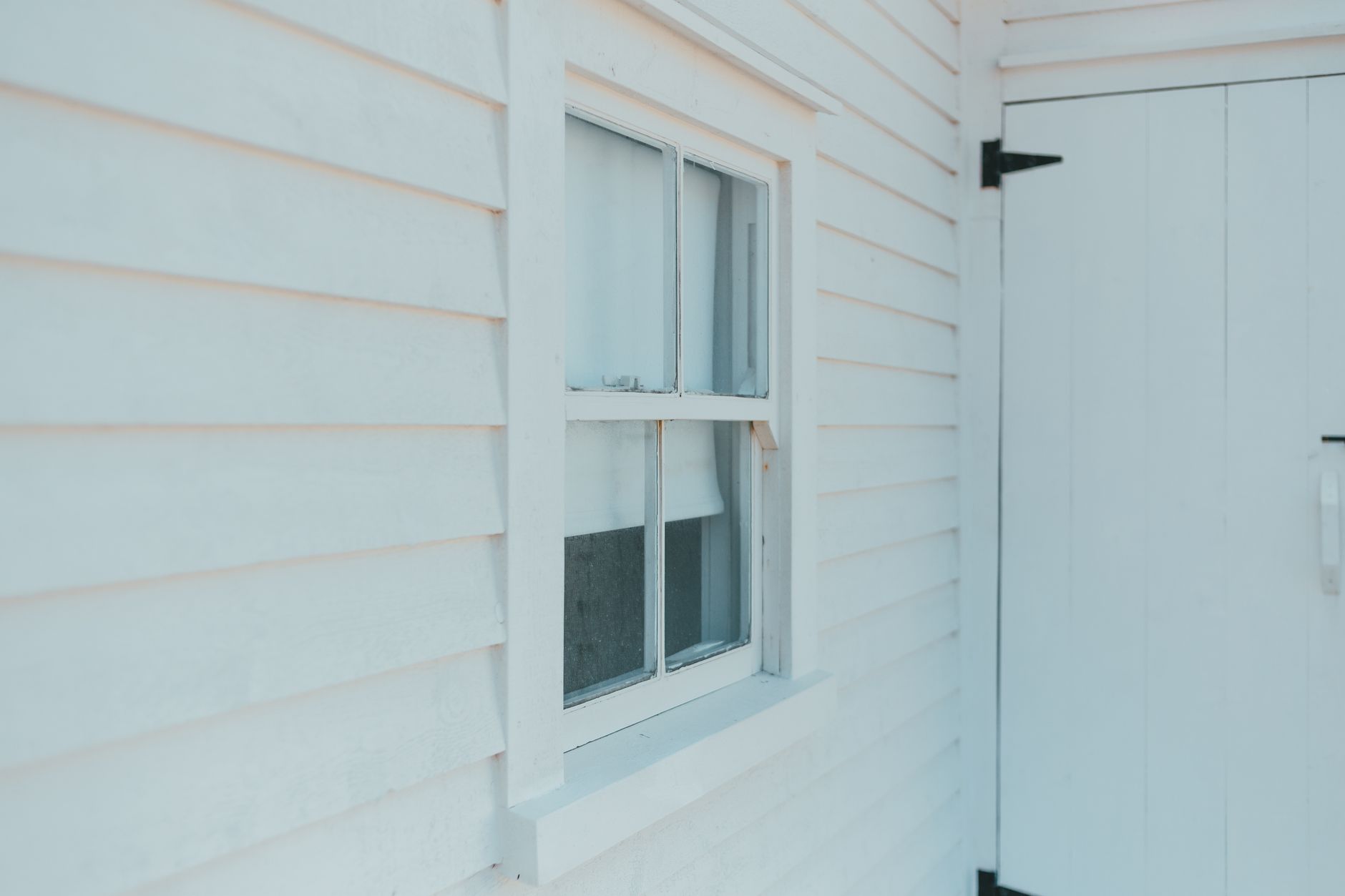
Introduction to Pro Exterior Siding
Why Choosing the Right Siding Matters
When it comes to protecting and beautifying your home, the exterior siding plays a pivotal role. It’s the first line of defense against weather elements, pests, and wear over time. Selecting the right siding not only enhances curb appeal but also contributes significantly to your home’s durability and energy efficiency. With countless options available, knowing what to look for can be overwhelming. This is where pro exterior siding choices stand out, offering reliable performance backed by expert recommendations.
Overview of Pro Exterior Siding
Pro exterior siding refers to high-quality siding materials and installation methods favored by building professionals for their superior durability, aesthetic appeal, and long-term value. These products often come with enhanced warranties and are designed to withstand challenging climates and environmental factors. Opting for pro exterior siding means investing in a solution that combines modern technology with proven traditional materials, ensuring your home remains protected and visually appealing for years to come.
Top Materials Recommended by Experts
Vinyl Siding: Affordable and Low Maintenance
Vinyl siding remains one of the most popular choices due to its affordability and ease of upkeep. It resists fading, cracking, and pests, making it practical for homeowners seeking a cost-effective siding option. Advances in vinyl technology have improved its texture and color variety, providing a more natural look than in past decades. While vinyl is lightweight and simple to install, it’s important to choose thicker, higher-grade panels for better durability and weather resistance.
Fiber Cement: Durability Meets Style
Fiber cement siding is highly regarded by professionals for its exceptional strength and versatility. Made from a blend of cement, sand, and cellulose fibers, it mimics the appearance of wood, stucco, or masonry without the maintenance hassles. Resistant to fire, rot, and insect damage, fiber cement offers a long lifespan even in harsh climates. Its ability to hold paint well means you can customize the look of your home while enjoying robust protection.
Engineered Wood: Natural Look with Added Strength
Engineered wood siding provides the warmth and texture of real wood but with enhanced durability. Manufactured by combining wood fibers with resins and other materials, it’s designed to resist moisture and pests better than traditional wood. This siding is ideal for homeowners who want the aesthetic appeal of wood without the constant upkeep. Proper sealing and painting are essential to maximize its lifespan and maintain its appearance.
Metal Siding: Longevity and Modern Appeal
Metal siding, typically aluminum or steel, offers a sleek, contemporary look with outstanding durability. It stands up well against severe weather conditions, including heavy rain, snow, and strong winds. Metal siding is also fire-resistant and requires minimal maintenance. Additionally, it can be treated with coatings that prevent rust and fading. This makes metal an excellent choice for homeowners who prioritize longevity and a modern aesthetic.
Key Features to Look for in Durable Siding
Weather Resistance and Protection
Durable siding must provide robust protection against rain, wind, snow, and UV rays. Look for materials with proven resistance to moisture absorption and the ability to withstand temperature fluctuations without cracking or warping. Proper weather resistance reduces the risk of mold growth and structural damage, preserving the integrity of your home’s exterior walls.
Energy Efficiency Benefits
Many modern siding products incorporate insulation or are designed to work with house wraps and insulation layers to improve your home’s energy efficiency. By reducing heat transfer, quality siding helps maintain comfortable indoor temperatures year-round and lowers heating and cooling costs. When selecting siding, consider options that offer thermal resistance or can be paired with insulated backing for enhanced performance.
Ease of Maintenance and Cleaning
Low-maintenance siding saves time and money over the years. Choose materials that resist staining, fading, and damage from pests or mold. Smooth surfaces or finishes that repel dirt and require minimal cleaning are ideal. Additionally, siding that can be cleaned with simple washing rather than harsh chemicals or frequent repainting is a practical choice for busy homeowners.
Installation Best Practices for Longevity
Hiring Professional Installers
The expertise of professional installers cannot be overstated. Proper installation ensures the siding fits securely, functions as intended, and lasts for its full expected lifespan. Professionals understand the nuances of different materials and local climate challenges, which helps prevent common issues such as water infiltration and improper ventilation.
Common Installation Mistakes to Avoid
Incorrect nailing, poor alignment, and inadequate flashing are frequent errors that compromise siding performance. Overlooking necessary gaps for expansion or neglecting to seal joints can lead to moisture problems and warping. Avoiding these mistakes by following manufacturer guidelines and relying on skilled installers will protect your investment.